Images chosen by Narwhal Cronkite
Congress Is Considering Abolishing Your Right to Be Anonymous Online
The bipartisan push to eliminate anonymity on the internet might change how we interact online forever, ushering in an era of mass surveillance and censorship. What does this mean for freedom of speech and privacy, especially for vulnerable communities? As lawmakers weigh proposals like the Kids Online Safety Act (KOSA), citizens need to consider the profound societal implications of such regulations.

The Push for Anonymity Ban: What’s Driving It?
Online anonymity has historically been defended as a cornerstone of free speech—enabling whistleblowers, activists, and marginalized groups to advocate for justice without fear of retaliation. Now, Congress is considering measures that would demand platforms enforce age verification, effectively stripping anonymity altogether. As reported by The Intercept, laws like KOSA aim to make the internet safer for children but carry significant collateral damage.
This initiative stems partly from growing concerns over cyberbullying, misinformation, and harmful content aimed at minors. According to Senator Marsha Blackburn (R-Tenn.), a proponent of KOSA, “The internet has become a dangerous playground for children. It’s crucial that we protect them from harmful influences.” While bipartisan support emphasizes the good intentions, critics argue these measures go far beyond protecting kids—they fundamentally alter the right to privacy online.
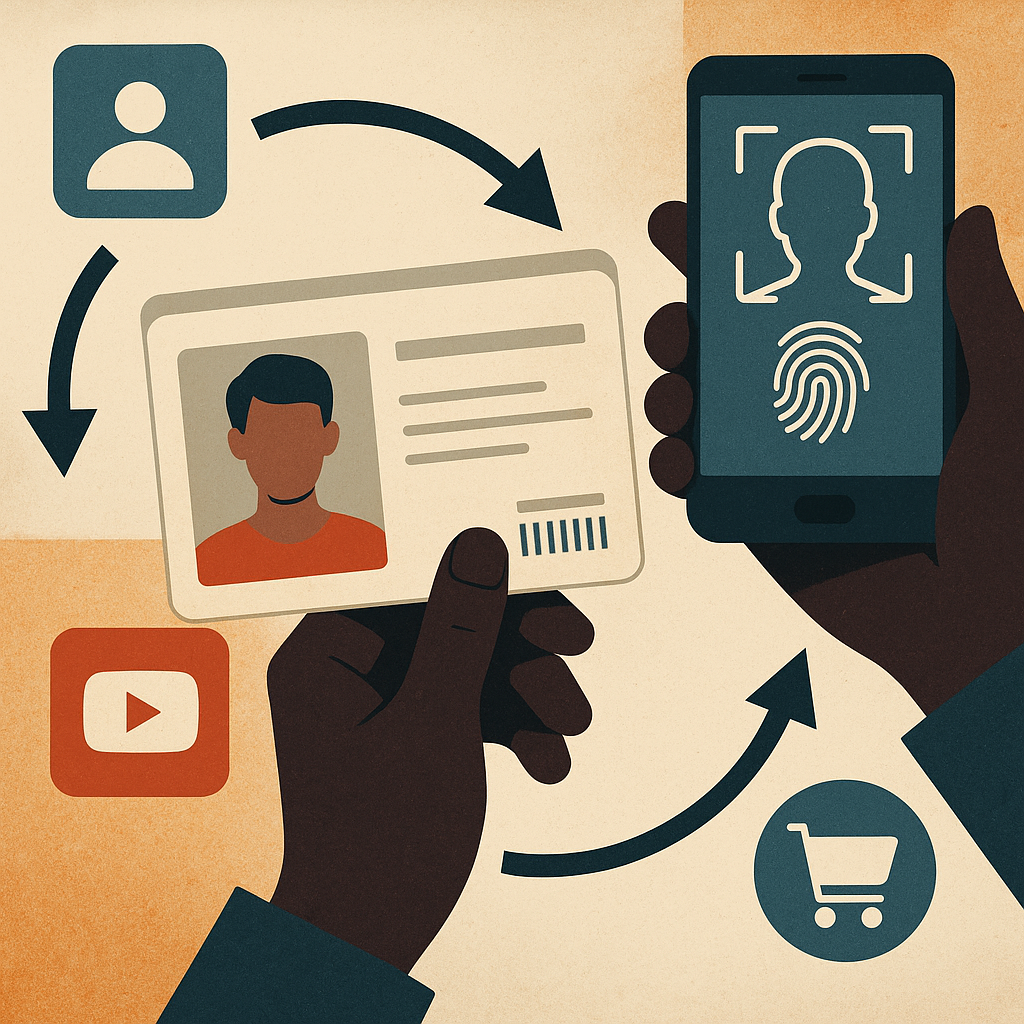
One key concern lies in enforcement: verifying age requires collecting identity data. Whether via government-issued IDs, credit card records, or other sensitive information, platforms would need to connect users’ offline identities with their online presence—a shift that critics warn creates a gateway to mass surveillance.
Massive Implications for Free Speech
The consequences of mandating online identity verification don’t stop at surveillance—they ripple into the realms of free speech and activism. Historically, anonymity has been a shield for dissenting voices in authoritarian states, workplaces, and other oppressive environments. Removing it could discourage whistleblowers, silence protests, and expose vulnerable communities.
“When anonymity disappears, power dynamics shift. It leaves individuals at the mercy of governments, corporations, and bad actors,” observes a technology researcher interviewed by TechCrunch. For instance, LGBTQ+ individuals navigating hostile social climates could be forced outed, risking their safety and livelihoods.
As The Intercept points out, activists organizing against policies they deem unjust may face increased surveillance that stifles their movements before they can even begin. The chilling effect on free speech cannot be overstated. Vulnerable populations—especially those already under government scrutiny—stand to lose the most.
The Mechanics of Online Identity Verification
How would such policies work in practice? Proponents advocate for robust verification systems tied to personal documents like Social Security numbers, state-issued IDs, or biometric scans. Platforms may outsource verification to third-party vendors, raising questions about data security. This influx of sensitive information creates potential vulnerabilities, from identity theft to data breaches.
This regulatory trend is a double-edged sword. While it could curtail online harassment, bots, and harmful spam, it also opens Pandora’s Box for hacking and improper data misuse, jeopardizing user trust at a foundational level.
The Risks of Mass Surveillance and Censorship
New online surveillance measures come hand-in-hand with censorship risks. In its coverage, FreeRepublic signaled how these laws might embolden government overreach. Agencies could subpoena platforms for user activity and identity records under the guise of “safety” or “security.” A troubling example highlighted by The Intercept describes subpoenas already issued to anti-ICE accounts accused of disseminating dissenting opinions.
Moreover, tech analysts caution against legal frameworks that potentially suppress legitimate online criticism of corporations and governments. “These systems create chilling incentives—either comply with censorship norms or face consequences,” a digital rights advocate explained to Memeorandum. Platforms might overcompensate, removing controversial but lawful content to avoid legal battles.
What Lies Ahead?
The proposed anonymity-ban bills are still under debate in the House, but their implications are significant. Industry experts warn that if passed, these laws will set a historic precedent, reshaping online ecosystems globally. For stakeholders—including voting citizens, privacy advocates, and vulnerable communities—the stakes have never been higher.
What’s next depends on public reaction and legislative negotiations. Privacy activists and tech platforms could mount resistance, pushing for safeguards within these bills or seeking alternative policies entirely. At the same time, shifts in public opinion on online dysfunctions could galvanize legislative action.
In the coming months, citizens should keep an eye on how tech companies plan to comply with new rules, if passed. Will platforms like Twitter and Meta prioritize privacy, or will legislative pressure lead to widespread identity aggregation? The decisions made now will ripple across society for decades.
Final Thoughts
The debate over anonymity online intersects the core values of technology, civil liberties, and societal safety. While intentions behind legislation like KOSA may be noble, their implications warrant scrutiny—from mass surveillance risks to erosion of free speech. Understanding these nuances ensures that well-meaning policies don’t unintentionally sacrifice liberty for security.