Images chosen by Narwhal Cronkite
US Ignoring Russian Aid to Iran Amid Trust in Putin, Says Zelenskyy
In a striking remark during his recent interview on The Rest is Politics podcast, Ukrainian President Volodymyr Zelenskyy accused the United States of overlooking key evidence proving Russia’s involvement in aiding Iran’s attacks on US influence in the Middle East. Highlighting Moscow’s alleged hand in satellite surveillance and intelligence-sharing with Tehran, Zelenskyy warned that this blind trust in Russian President Vladimir Putin could have severe geopolitical repercussions.
Trusting Putin: A Strategic Oversight?
Zelenskyy laid out a troubling scenario where critical military and energy infrastructure in regions like Israel and Gulf states were being photographed by Russian satellites and shared with Iranian authorities. According to the Ukrainian leader, this information has been pivotal for Iran in targeting US bases in the region. Despite making these allegations public, Zelenskyy noted that Washington has been notably silent, suggesting a level of misplaced trust in Putin’s assurances.
“The problem is they trust Putin. And it’s a pity,” Zelenskyy lamented, pointing to the potential dangers of this approach. His analysis extended to the broader implications of this alleged partnership between Moscow and Tehran, arguing it undermines US strategic interests across multiple fronts.

A History of Dubious Deals
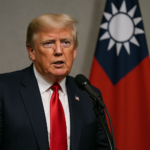
Critics argue that Putin’s track record of leveraging conflicts for geopolitical gain paints a picture far from reliable. Zelenskyy specifically mentioned President Donald Trump’s administration as an example of trusting Putin amid escalating tensions. He cited the presence of Trump’s negotiators, Steve Witkoff and Jared Kushner, in Moscow as indicative of a mindset failing to grasp the Kremlin’s broader war goals.
As reported by The Guardian, Trump’s foreign policy team had visited Moscow five times last year but refrained from showing equivalent engagement with Kyiv. This uneven diplomatic effort, coupled with increased pressure on Ukraine to concede territories like Donbas, bolsters concerns about how US policy has sometimes aligned more closely with Russian narratives than those of its allies.
Regional Implications: The Overlap of Conflicts
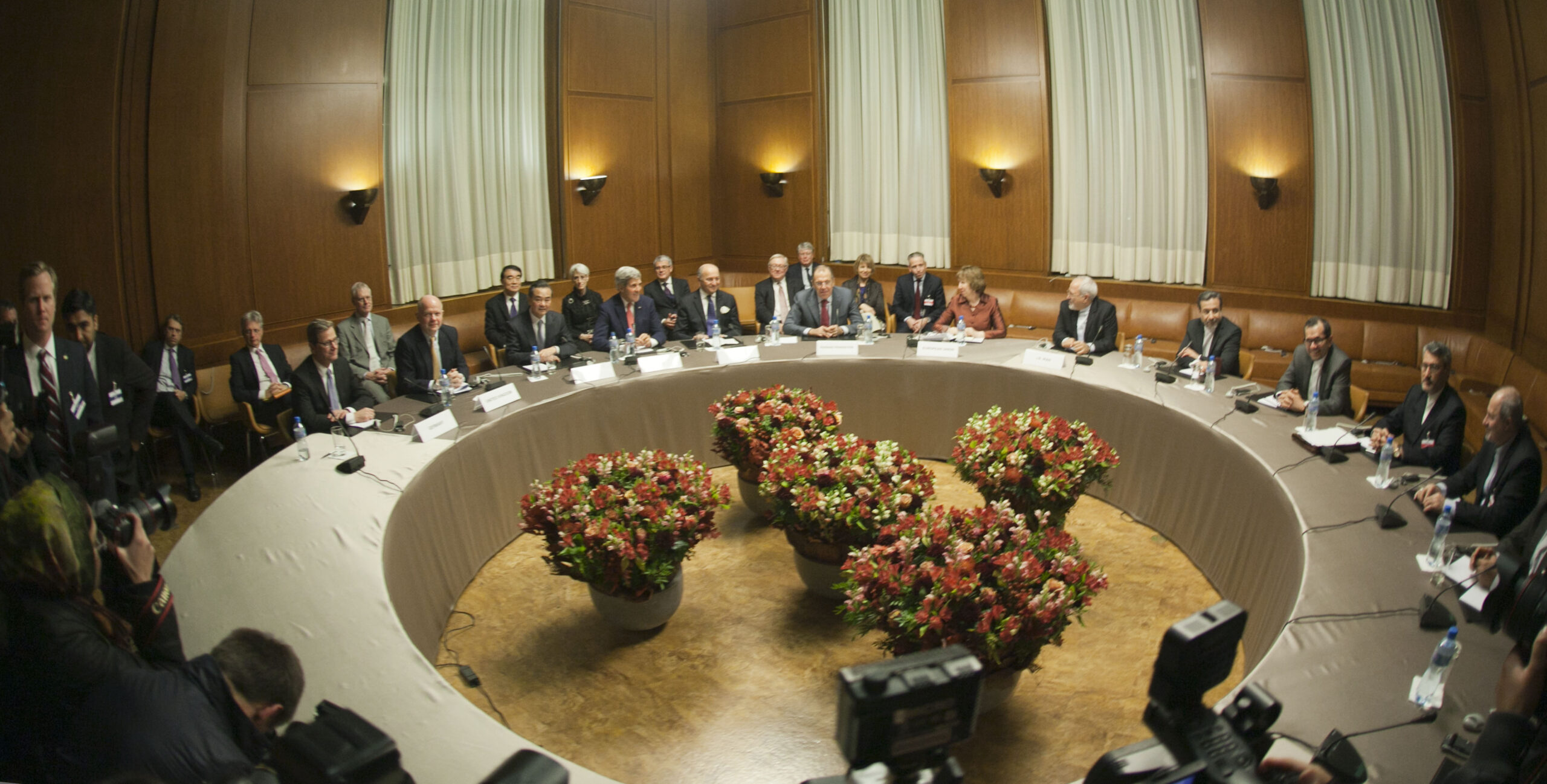
This evolving relationship between Russia and Iran highlights the intricate overlap of global conflicts. While the war in Ukraine continues to rage, its shadow grows longer, extending troubling influences into the Middle East. According to Antiwar.com, Western powers including Britain have been increasingly central to broader US military campaigns in Iran and neighboring regions. This interconnectedness heightens the risk of fragile alliances breaking down under pressure.
Observers worry this widening web of conflict could expand exponentially. Zelenskyy’s warnings about Putin’s ambitions further reinforce the need for vigilance, particularly as the Kremlin seeks to test global resolve on multiple fronts.
The US Dilemma: Balancing Strategic Partnerships
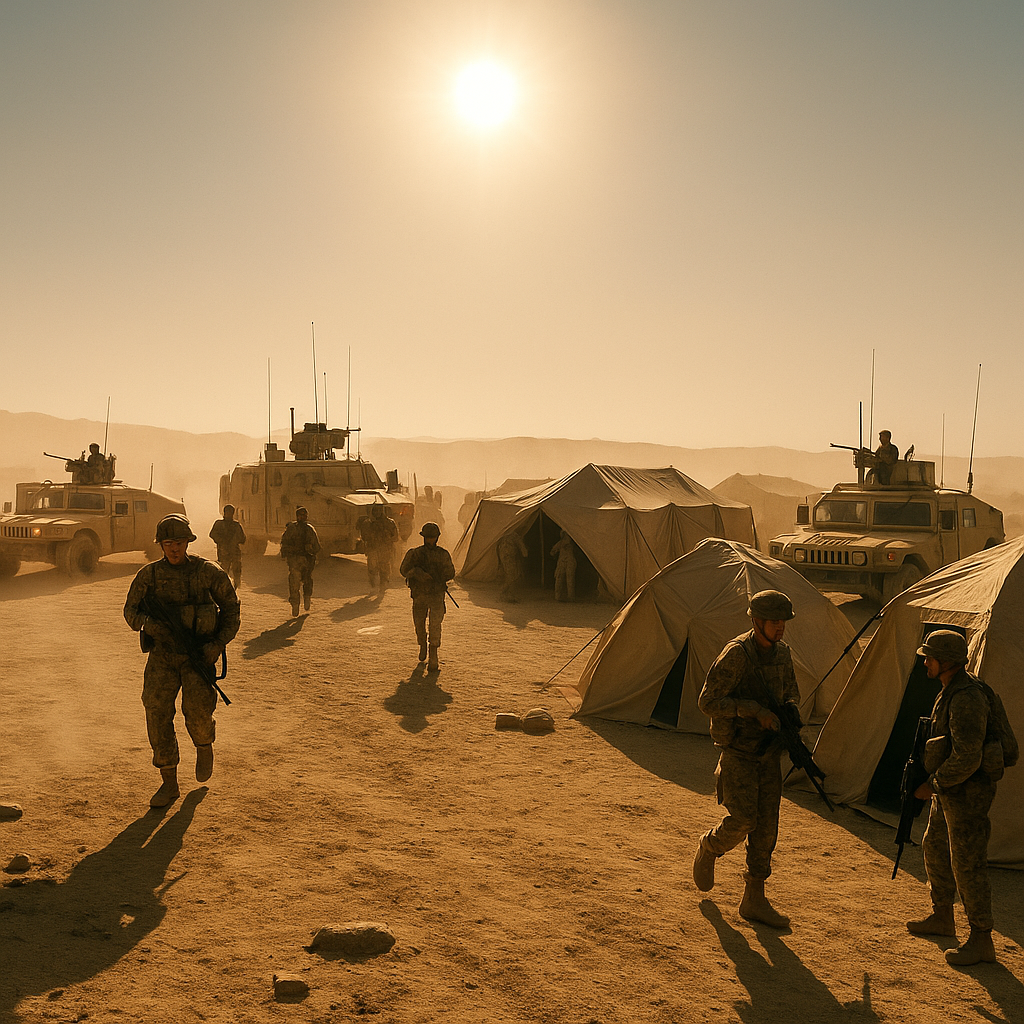
At the core of this issue lies a question of strategy. Why was the US allegedly silent in response to the Ukrainian president’s revelations? Analysts believe, among other factors, that Washington has imbedded its own long-term calculations about maintaining some level of dialogue with Putin. By avoiding direct confrontation with Russia over its Middle East collaborations, the US may hope to preserve fragile communication channels for other critical negotiations.
However, this cautious approach may come at the cost of enabling escalation. Zelenskyy underscored the importance of recognizing the full extent of Putin’s ambitions, openly questioning the notion that concessions such as Ukraine’s Donbas region might pacify the Kremlin. “Putin will lie to them,” Zelenskyy warned, suggesting that further aggression toward Dnipro and Kharkiv could follow unchecked agreements.
What Comes Next?
The situation described by Zelenskyy unveils the need to reassess trust in Russia in light of its alleged coordination with Iran. If these claims are verified, Washington might have to recalibrate its foreign policy approach to prioritize vigilance over misplaced confidence.
Looking forward, the global community will closely watch how these dynamics play out. Will the US government take greater initiative in investigating Russian-Iranian collaboration, or will tactical silence prevail? Zelenskyy’s challenge is clear: allies need to recognize the broader implications of this partnership and act decisively to deter future risks.
For now, this dilemma remains fraught with uncertainty, serving as yet another reminder of the complex, interconnected nature of global conflicts.