Images chosen by Narwhal Cronkite
Iran Accuses U.S. of Violating Ceasefire Deal: Analysis and Implications
As tensions rise in the Middle East, Iran has openly accused the United States of breaching the framework of an international ceasefire agreement, calling ongoing diplomatic talks “unreasonable.” This development comes only days after a two-week truce was brokered between Iran, the U.S., and Israel, aiming to avert further escalation of violence in the region. The accusation raises questions about the reliability of negotiated frameworks and their efficacy in resolving geopolitical crises.
A Historic Ceasefire Comes Under Fire
Iranian Foreign Minister Abbas Araghchi took to X (formerly Twitter) to highlight the alleged breaches, specifically criticizing the U.S. for enabling military operations in Lebanon via its ally, Israel. “The Iran–U.S. Ceasefire terms are clear and explicit: the U.S. must choose—ceasefire or continued war via Israel. It cannot have both,” Araghchi stated. His comments have intensified scrutiny of the agreement, as global observers watch keenly for clarity on its terms.
The ceasefire was reached in a high-stakes negotiation, aimed at preventing President Donald Trump’s threatened bombing campaign against Iran. White House Press Secretary Karoline Leavitt branded the deal as a victory for the U.S., stating, “Our incredible military made this happen.” However, the celebratory tone contrasts sharply with Iran’s accusations and reports of continued violence in Lebanon.
This marks yet another juncture in the complex diplomatic dance between the U.S., Iran, and Israel, fraught with decades of mistrust, shifting alliances, and regional rivalries. As per the Associated Press, Israeli Prime Minister Benjamin Netanyahu also refuted Iran’s claims, arguing that the ceasefire terms were never meant to encompass Lebanon. Such claims highlight ambiguities within the agreement and further complicate an already volatile narrative.
Strategic Implications of the Breach
If Iran’s accusations are verified, the breach could have far-reaching consequences for diplomatic relations and regional stability. According to analysts quoted by Foreign Policy, this scenario exemplifies the fragility of ceasefire agreements in highly antagonistic environments. The inclusion—or exclusion—of Lebanon in the ceasefire appears to be a pivotal sticking point, leaving room for interpretive disputes.
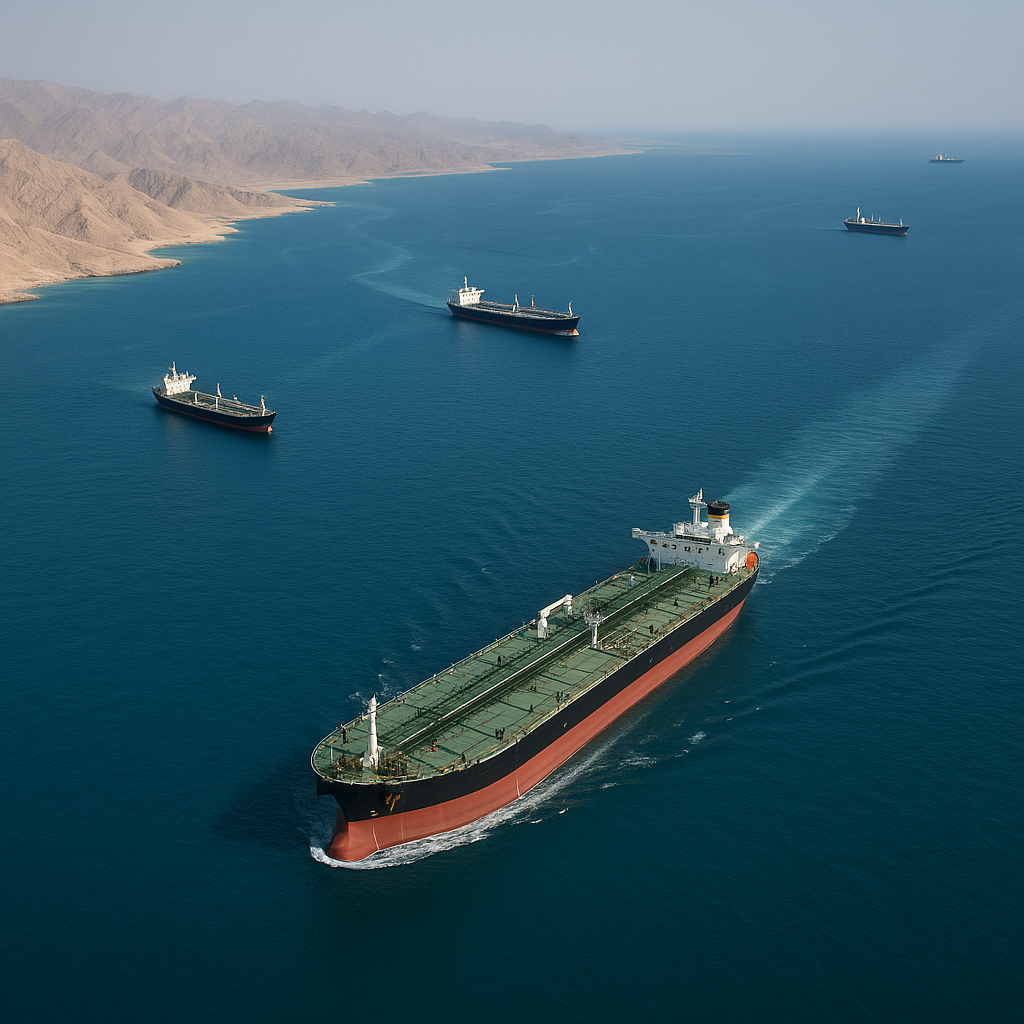
The Strait of Hormuz also figures prominently in these tensions. Despite reports that it was closed following escalations in Lebanon, Karoline Leavitt asserted during a news briefing that the waterway remains operational. “We’ve seen an uptick of traffic in the Strait today,” she clarified, brushing aside suggestions of an ongoing blockade. The strait, crucial for global energy shipping, remains a key pressure point, with its control often leveraged by Iran amid geopolitical standoffs.
Patterns of Disruption in U.S.-Iran Relations
Historically, U.S.-Iran relations have oscillated between glimmers of rapprochement and outright hostility. The current conflict adds another chapter to this complex history. Sergey Lavrov, Russian Foreign Minister, recently reflected on the unique dynamics of the Iranian conflict as distinct from others like Ukraine. “Iran violated none of its international commitments prior to the war,” Lavrov was quoted as saying by RT. Such remarks underline Iran’s perceived legitimacy in advocating against external interference.
At the heart of the current dispute is the notion of unilateralism—a criticism often lodged against U.S. foreign policy. According to Global Research, Iran’s strength lies in its determination to weather disruptions. “The conqueror need not be stronger than the conquered. He need only be more willing to endure,” echoed one analysis, referencing Ibn Khaldun’s timeless wisdom.
The tension between projecting military strength and honoring diplomatic commitments is palpable, especially under the leadership of President Trump. The administration continues to face mounting pressure from international actors and domestic critics alike, who argue that unilateral moves undermine trust in global agreements.
Collateral Impact on Regional and Global Stability
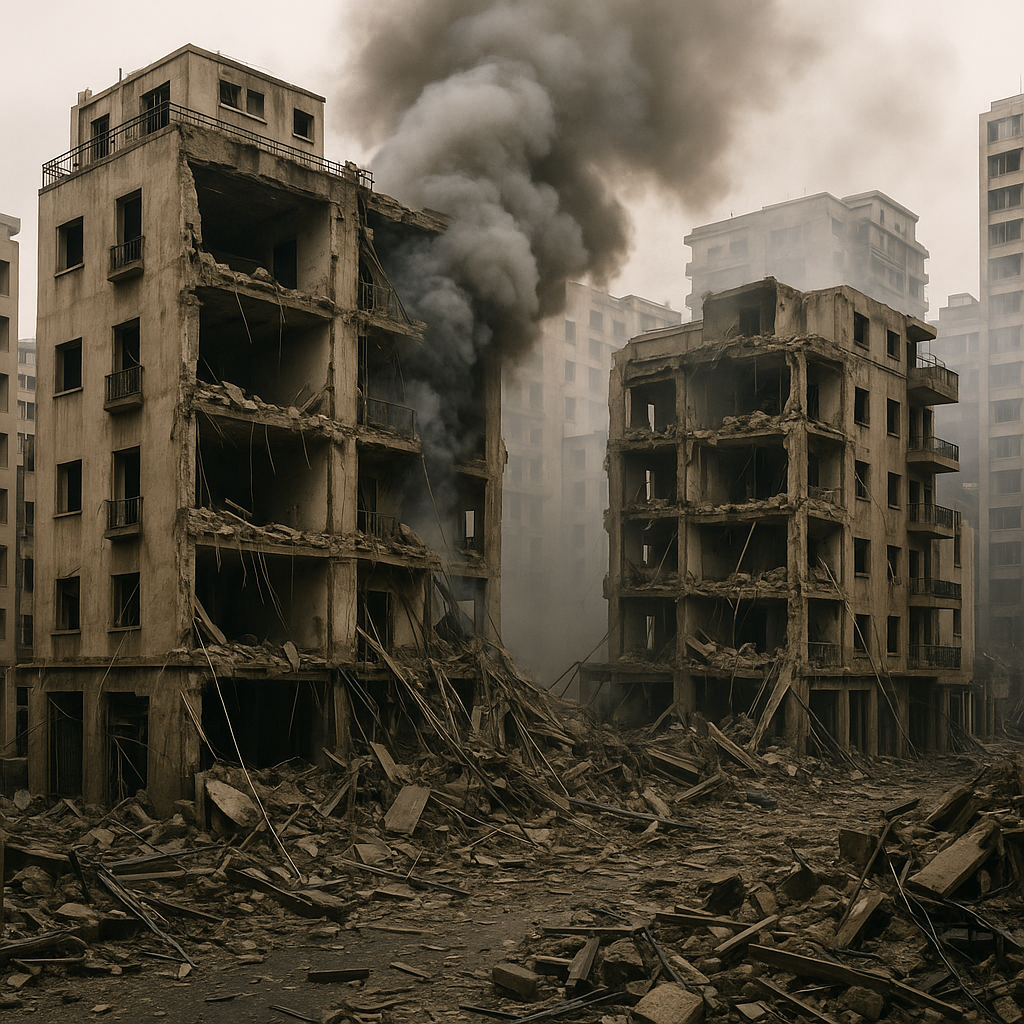
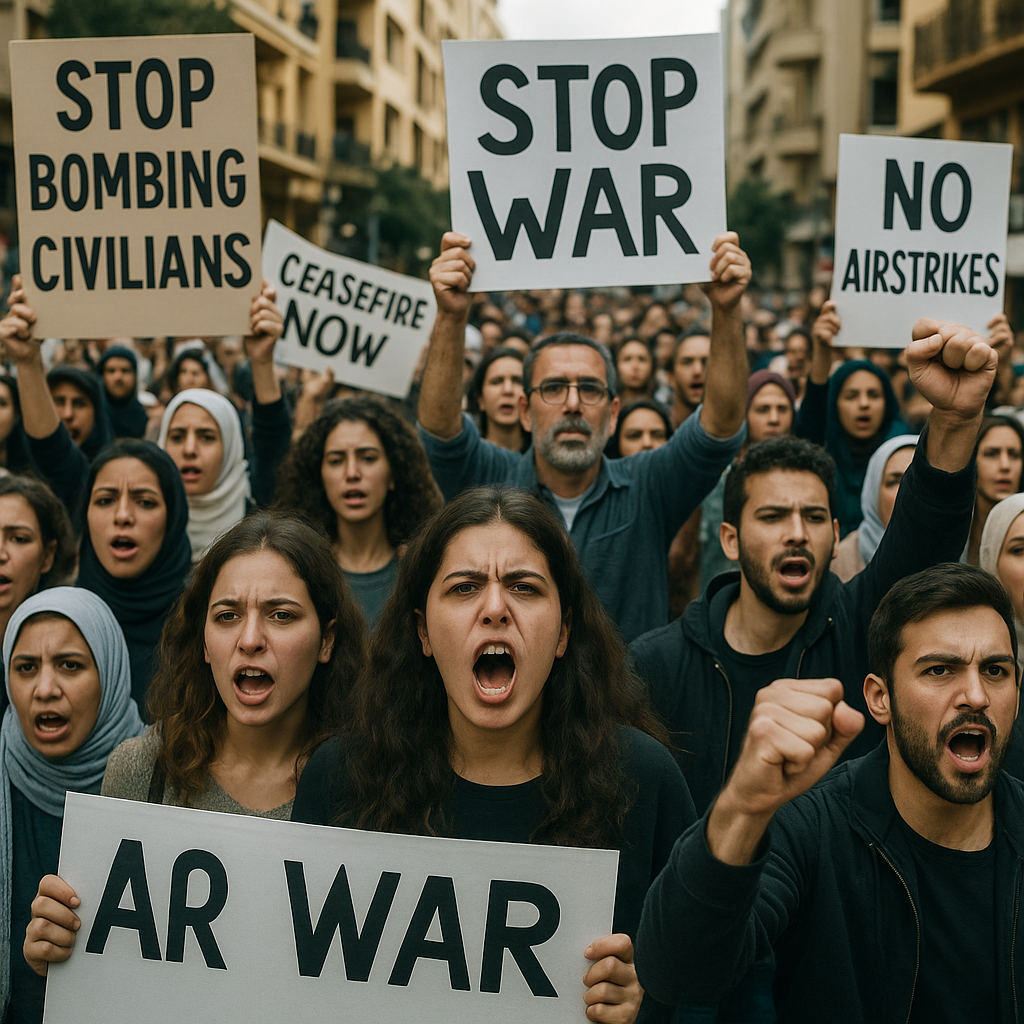
Iran’s accusations also shine a spotlight on the humanitarian toll of protracted conflicts in the Middle East. Reports of Israeli airstrikes in Beirut, Lebanon, suggest that civilians bear the brunt of these geopolitical disputes. The images of smoke rising from bombed neighborhoods stand in stark contrast to the victory declarations from political leaders. Observers stress that stability in Lebanon is crucial not only for the region but for the international community, given its strategic location and history as a flashpoint for conflict.
Furthermore, President Trump’s trade policies, notably the imposition of tariffs on countries including India, illustrate the cascading effects of U.S. actions beyond the immediate scope of the Iranian conflict. According to The Times of India, these tariffs have triggered economic turbulence, adding another layer of complexity to America’s global standing during a period of enhanced scrutiny.
What’s Next: Key Questions and Scenarios
As the fragile ceasefire teeters on the brink, several potential scenarios emerge. Will the U.S. clarify the terms of the agreement and address Iran’s concerns? Could the ambiguity surrounding Lebanon’s inclusion serve as a catalyst for extended conflict? And importantly, how might these developments influence broader global power dynamics, especially involving major actors like Russia, China, and India?
For now, analysts are closely monitoring the situation in the Strait of Hormuz, Lebanon’s stability, and whether international mediators step in to salvage the ceasefire. Successful diplomacy will require compromises from all sides, particularly in addressing humanitarian concerns.
This ongoing saga highlights the thin line between resolution and escalation in international diplomacy. What happens next will not only impact the immediate stakeholders but could also redefine approaches to conflict resolution in the 21st century.