Images chosen by Narwhal Cronkite
Ukraine Liberates 590 Square Kilometers in 2026: Signals Shift Toward Diplomacy
In a year defined by shifting battle lines, Ukraine has reclaimed 590 square kilometers of occupied territory from Russian forces, a significant marker in its ongoing counteroffensive. This milestone, accompanied by mounting international economic sanctions on Russia, has prompted Ukrainian President Volodymyr Zelensky to assert that the momentum may now be forcing Moscow to consider diplomatic solutions.
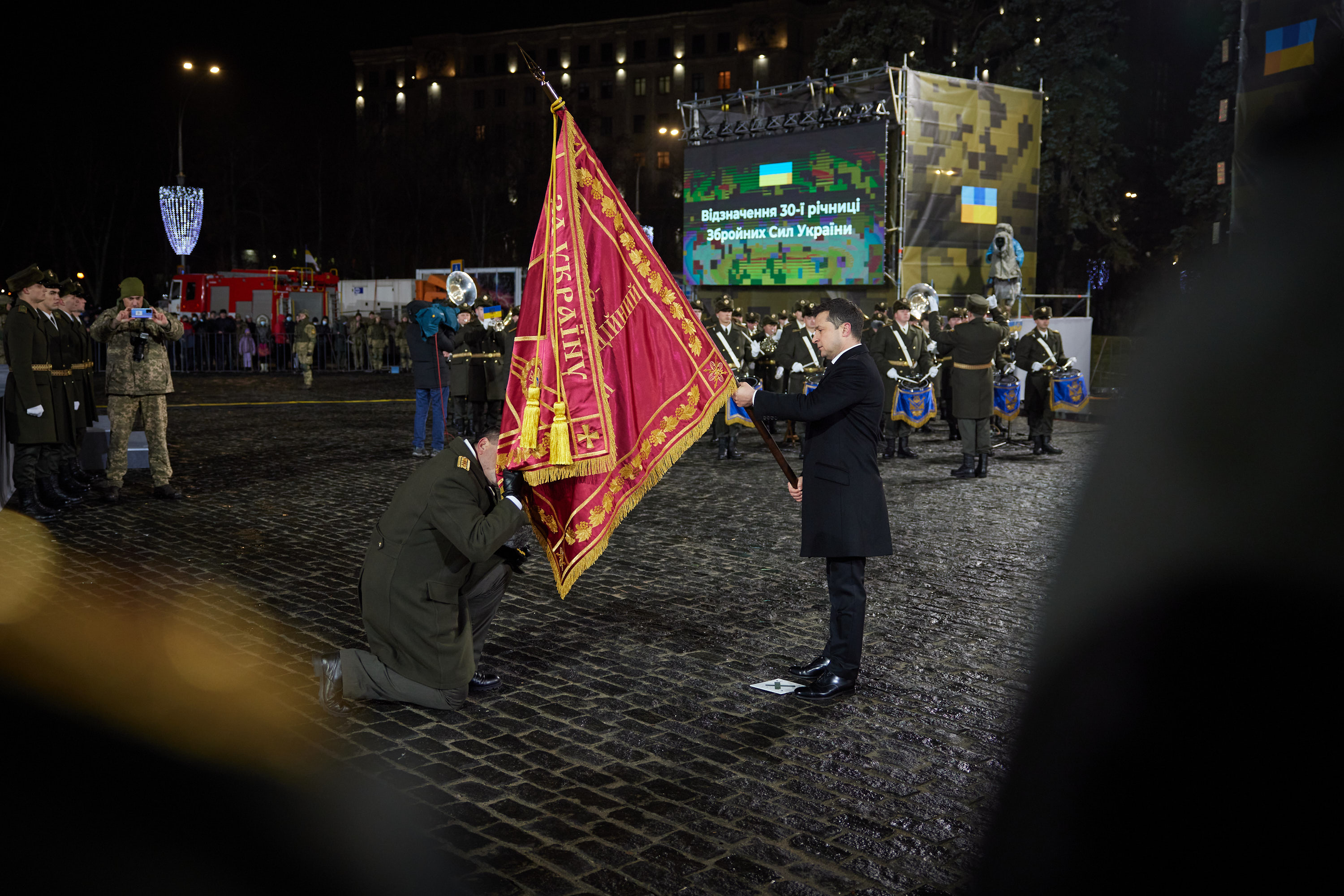
A Year of Gains for Ukraine
Since the start of 2026, Ukraine’s military has steadily regained ground in its eastern and southern regions, reversing some gains made by Russian forces earlier in this protracted conflict. As Zelensky explained in a recent address, “The trend is certainly not in the occupier’s favor.” The 590 square kilometers Ukraine has liberated represent a significant logistical and symbolic achievement, as they include key routes along supply lines and areas populated by civilians newly reintegrated into Ukrainian governance.
This effort has been bolstered by military aid from Kyiv’s Western allies, including advanced weaponry and intelligence-sharing. Analysts suggest such progress weakens Russia’s overall strategic positioning while also eroding troop morale. “The liberation of additional territory not only secures civilian areas but challenges Russia’s ability to hold its existing frontlines,” said Helena Branson, a military strategy expert at the Institute of International Affairs.
Diplomacy Over Firepower?
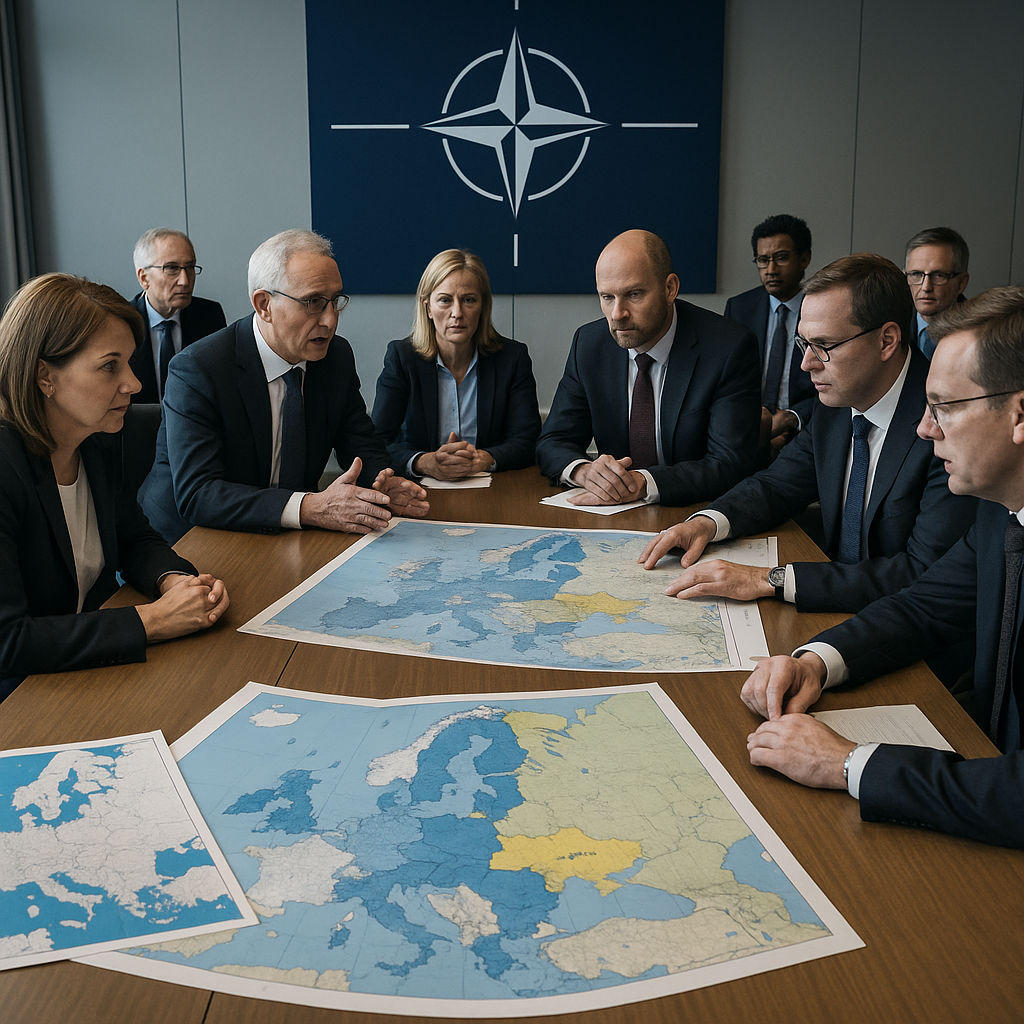
Beyond the battlefield, Zelensky emphasized diplomacy as a vital parallel track in the ongoing conflict. He has held recent discussions with European leaders like French President Emmanuel Macron, U.K. Prime Minister Keir Starmer, and German Chancellor Friedrich Merz, collectively referred to as the E3. According to Zelensky, “Ukraine always works to secure Europe a seat at the negotiating table and ensure that the European voice is taken into account.”
Despite this diplomatic emphasis, peace negotiations remain largely stalled. U.S. Secretary of State Marco Rubio confirmed after a NATO summit in Sweden that recent efforts to broker talks between Ukraine and Russia have been “effectively on pause.” While there may be some indications of Russia exploring diplomatic routes, “the presence of fruitful conditions for dialogue is still absent,” Rubio added.
The Role of Economic Sanctions
Zelensky attributed much of the pressure on Moscow not only to battlefield tactics but also to the economic sanctions imposed by Western nations. Since the early weeks of Russia’s invasion in 2022, the global community has introduced sweeping measures to isolate Russia economically, targeting sectors like energy, banking, and technology.
In recent months, these sanctions have intensified, with reports of a weakening ruble, declining foreign reserves, and significant disruptions to industrial production in Russia. According to Arseny Petrov, an economist specializing in Eastern European economies, “The Kremlin underestimated the compounding long-term effects of sanctions, which now force Moscow to grapple with both military and economic fronts.”
These measures, Zelensky believes, significantly contribute to narrowing Russia’s options, making diplomacy a more compelling choice. However, industry observers caution that sanctions are not a quick fix. “They are part of a cumulative strategy,” Petrov clarified.
Human Impact and a Long Road Ahead
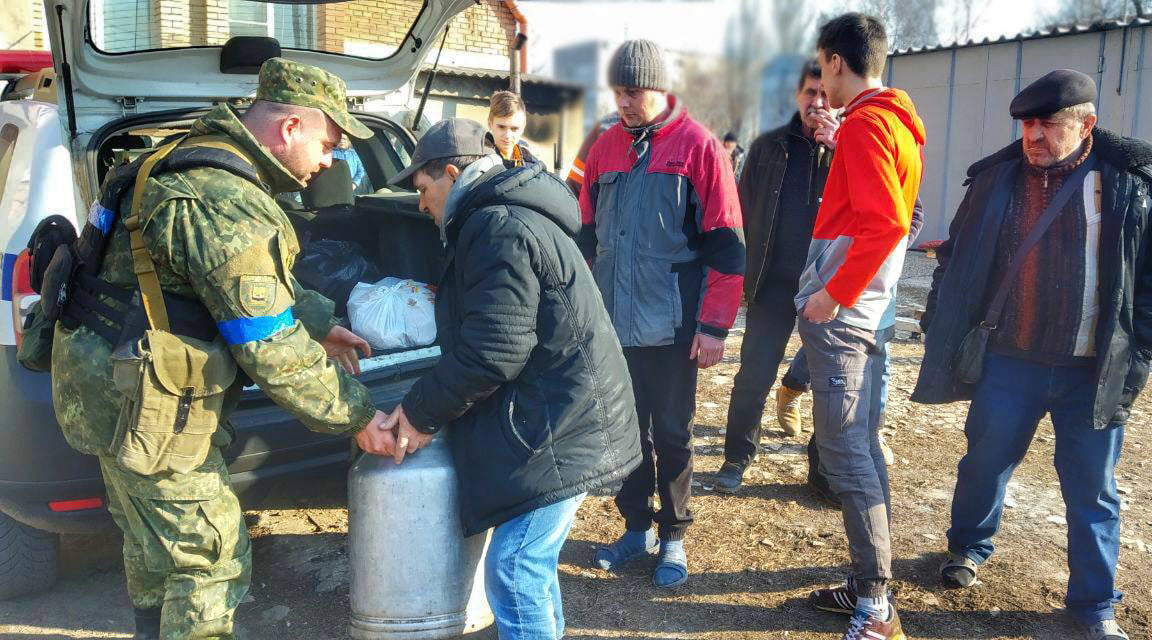
While measurable territorial gains fuel optimism, the human toll of this war remains profound. Cities liberated by Ukrainian forces often reveal new layers of destruction, along with harrowing stories of civilian suffering during occupation. Humanitarian agencies on the ground report that much of Ukraine’s newly reclaimed land requires immediate restoration of basic infrastructure, from roads and schools to hospitals.
Meanwhile, Russia continues its strategy of targeting civilian infrastructure via drone and missile strikes, which has compounded challenges for Ukraine’s recovery efforts. Yulia Ivanchenko, a relief coordinator in Kherson, remarked, “Every kilometer of progress comes with costs that are both human and infrastructural, and the work of healing takes much longer than the war itself.”
What Lies Ahead
As the war drags on into its fifth year, experts believe the coming months could shape the trajectory of the conflict. Ukraine aims to sustain recent advances while ensuring that the humanitarian crisis in liberated areas does not worsen. Meanwhile, the international community is closely watching for signs of serious initiatives for peace talks, with America, Europe, and possibly China poised to act as mediators should conditions allow.
The question remains: Will Russia ultimately seek a diplomatic resolution under the mounting pressures of war, or double-down militarily despite setbacks? As Zelensky put it, “Ukraine is fighting not only for our freedom but for the principles of global peace. And that vision is what we expect all nations to uphold at the negotiating table, whenever that may come.”
For now, Ukraine’s trajectory remains a precarious yet determined path of grit, diplomacy, and international collaboration as the fight not just for territory, but democratic ideals, continues.