Images chosen by Narwhal Cronkite
Cheap Attack Drones Break Through Israel’s Iron Dome
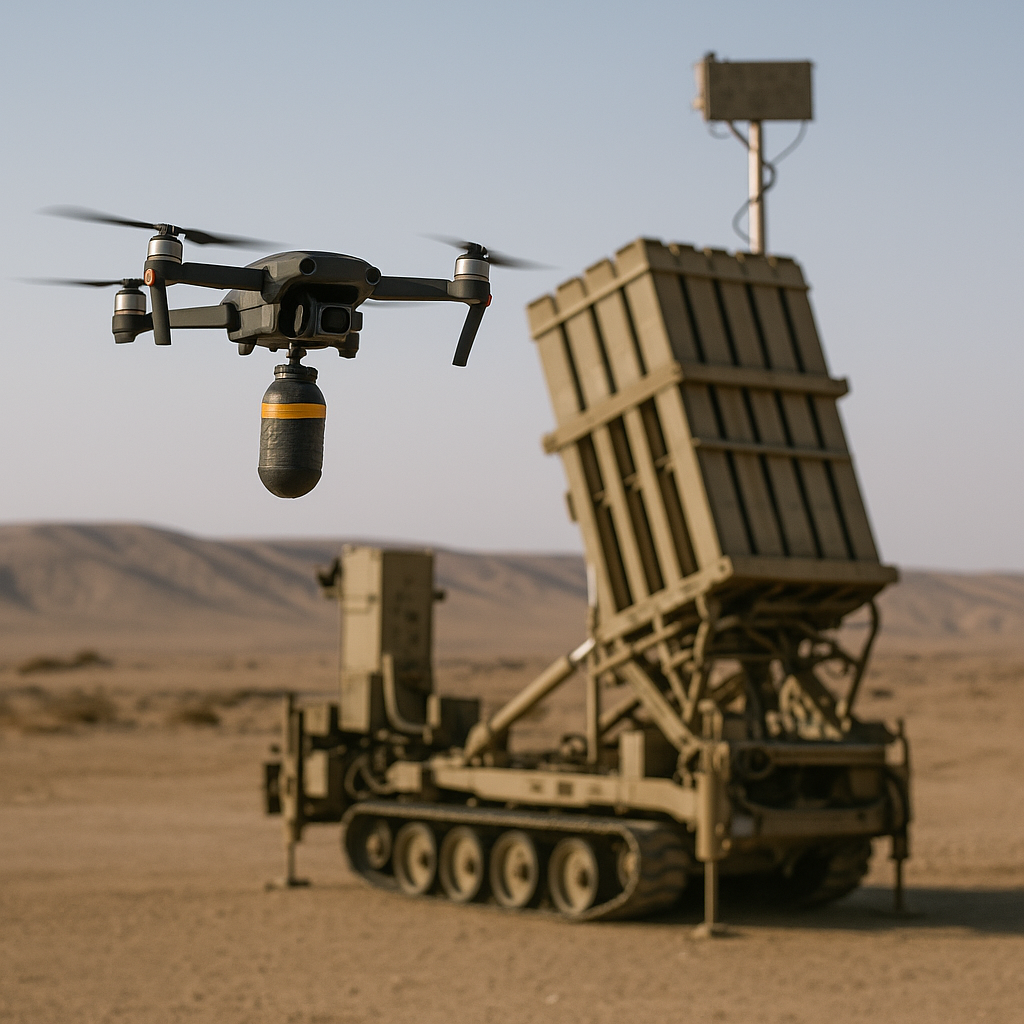
Israel’s Iron Dome, renowned as one of the world’s most advanced air-defense systems, has found itself vulnerable to a game-changing new weapon—cheap, explosive-laden drones. The stark contrast between the multi-billion-euro Iron Dome and small drones costing just a few hundred euros has introduced an unexpected tactical advantage that could reshape modern military engagements across the Middle East.
David Versus Goliath: Low-Cost Drones Vs. High-Tech Defense
In a video released by Hezbollah, a drone explodes near an Iron Dome battery, highlighting this glaring vulnerability in Israel’s prized defense arsenal. While the authenticity of the footage remains unverified, defense analysts widely believe it offers a realistic look into the challenges Israel now faces. Hezbollah, a Lebanon-based militia classified as a terrorist organization by the U.S., Germany, and several Arab states, has begun using these low-cost drones with increasing frequency since March. The implications are broad, particularly given Israel’s reliance on sophisticated defense technologies.
“The cost disparity is staggering,” says Neri Zin, managing director of Israeli armaments company Axon Vision. “You’re looking at a drone sourced from Alibaba for under €400 disabling infrastructure that costs tens of millions to create. It’s a technological paradox that underscores vulnerabilities in legacy systems designed for large-scale battles, not emerging low-tech threats.”
How Fiber-Optic Drones Are Changing the Battlefield
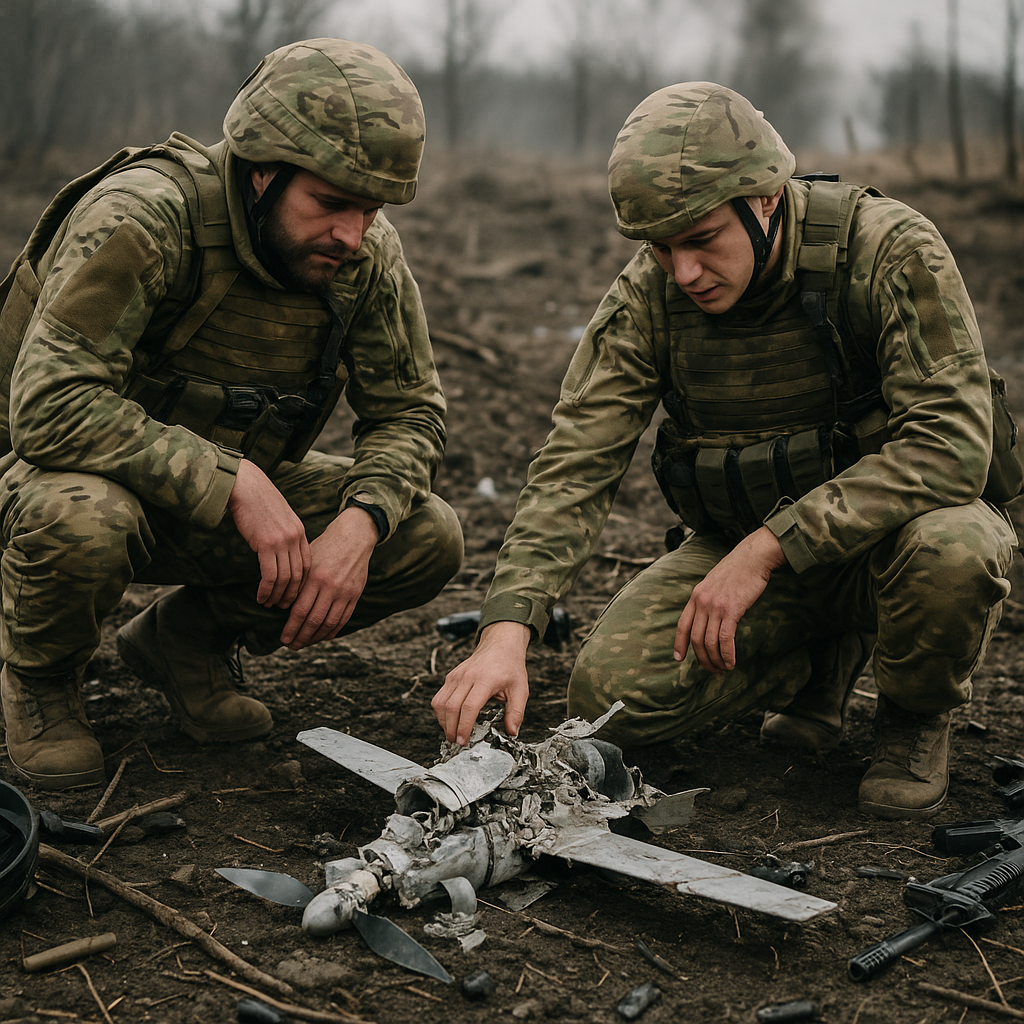
A significant shift in the drone warfare landscape lies in technology. Many of these drones employ fiber-optic cables for control rather than traditional radio signals. According to experts, this method renders them immune to jamming—a mainstay countermeasure of electronic warfare. As reported by DW, such drones have already been deployed at scale in conflicts like the ongoing Russia-Ukraine war, where both sides have improvised countermeasures like protective nets, cutting cables, or even using shotguns to neutralize the threat.
This new wave of drone technology completely blindsides traditional defense systems like the Iron Dome, which was built to intercept ballistic missiles, rockets, and larger aerial threats. The inability of these systems to adapt to micro-scale threats highlights a critical gap in modern military strategy.
Lessons From Other Conflicts
Lessons from the Russia-Ukraine conflict provide valuable insights into countering this emerging drone threat. Yet, as Ukrainian Ambassador to Israel Yevgen Korniychuk emphasized to Ynet News, there has been a noticeable lack of urgency from Israeli leadership. “We don’t see much interest or appetite from the Israeli leadership in this area,” Korniychuk stated. “Israel could benefit greatly from learning how Ukraine has adapted to drone warfare, especially when it comes to protecting soldiers and infrastructure.”
The inability—or unwillingness—of traditional military forces to adapt quickly to modern threats has left them vulnerable, Zin argues. “The defense landscape is evolving rapidly, and large institutions with rigid hierarchies struggle to change course in time. This is why insurgent groups with fewer resources often punch above their weight when it comes to adopting low-cost tech solutions.”
The Iron Dome’s Symbolic and Strategic Role
For over a decade, the Iron Dome symbolized Israel’s technological prowess and its ability to counter threats in real-time. It is also a source of great symbolic capital, offering reassurance to Israeli citizens and allies worldwide that the country can deal with threats decisively. But the rise of inexpensive FPV (first-person view) and fiber-optic drones is threatening to erode that confidence and symbolic power.
The implications are also geopolitical. If Hezbollah is using such technology effectively, groups in other conflict zones could adopt similar strategies, further destabilizing regions where traditional militaries are unprepared to counter low-cost innovations. As aptly described by Naked Capitalism’s analysis on modern missile warfare, the shift to “low-cost offensive abundance” is a growing trend. Saturation attacks using inexpensive but effective weapons could challenge even the most advanced militaries in ways previously unimagined.

What Comes Next?
The implications of drones breaching the Iron Dome raise difficult questions for Israel’s strategic planning. Future solutions may demand multi-layered defenses that incorporate new technologies to neutralize these micro threats, such as AI-enabled target acquisition, electronic decoys, or improved physical barriers. Furthermore, there is an urgent need for cross-national collaboration on intelligence sharing and counter-drone strategies, as seen in Ukraine’s effort to counter similar threats.
The rise of cheap drones capable of bypassing one of the most advanced air-defense systems in the world is a wake-up call—not just for Israel, but for militaries globally. Moving forward, the way nations adapt to these evolving threats will define the next chapter of military defense in the 21st century.
As Israel faces these challenges, the world will be watching to see whether technological innovation can once again restore its edge in a rapidly shifting defense landscape. The coming months will reveal whether new countermeasures can withstand the growing tide of inexpensive but devastatingly effective drone warfare.