A billboard went up in late July at the corner of Sixth and Folsom streets in San Francisco’s SoMa district, 14 feet by 48 feet, announcing ChatTJB as a leading chat interface powered by AI. It looks exactly like the dozens of other AI billboards that have colonised the city’s freeway approaches and startup corridors.
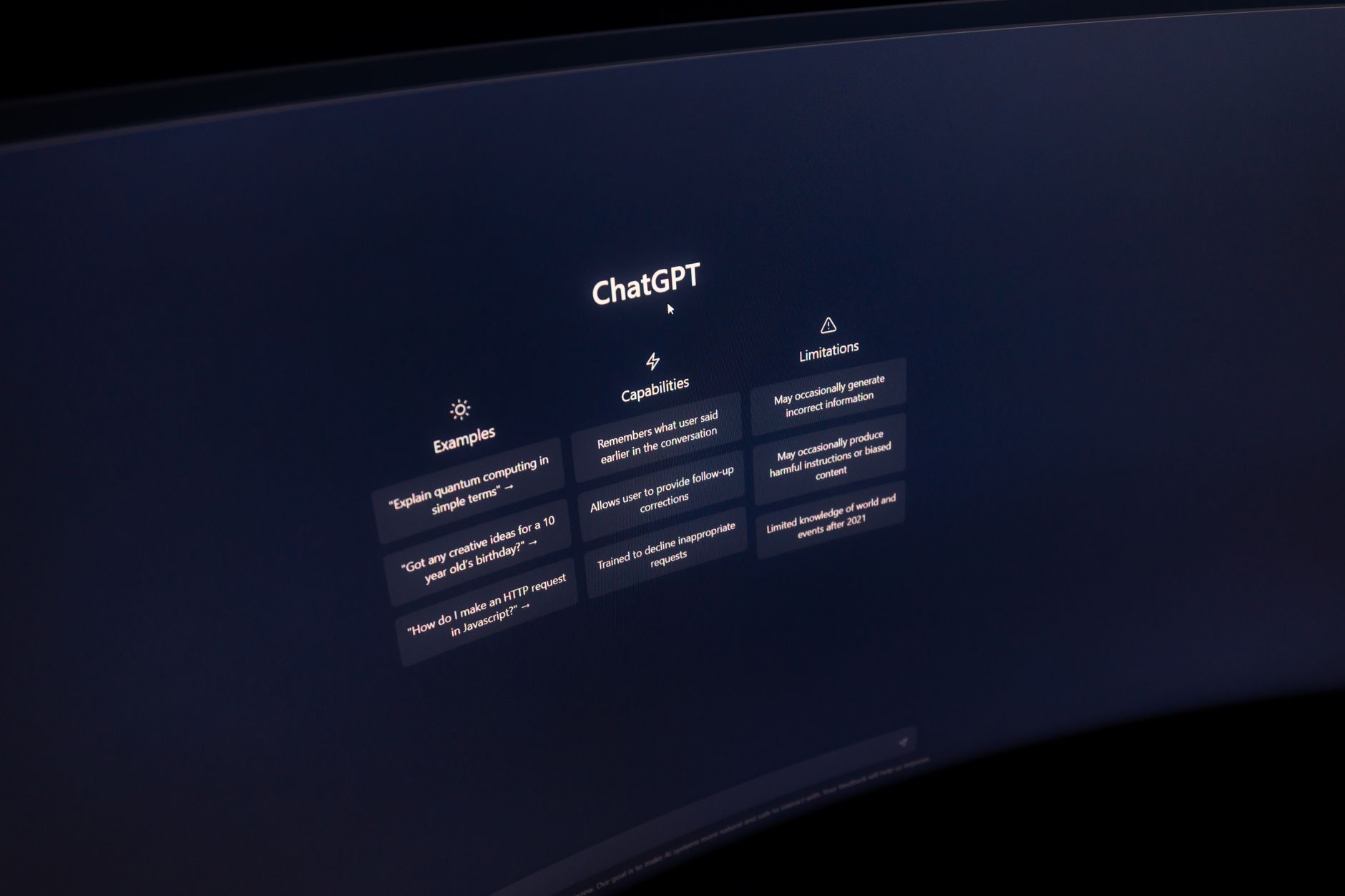
The difference is that ChatTJB has no model behind it. The entire operation is one person — conceptual artist and former Google marketing manager Tucker Bryant, 32 — reading each prompt and typing each reply himself.
The joke is in the acronym
In ChatTJB, the AI does not stand for artificial intelligence. It stands for “Average Individual.” TJB are Bryant’s initials.
This is the detail that separates the project from a fraud, and it deserves emphasis given how the story has circulated. Bryant did not build a fake AI product and secretly staff it with humans; that is a real and well-documented pattern in the startup world, and it has ended in enforcement actions. He built a satire, disclosed the premise, and let people find out what it feels like to be on the other end of the chat window when there is a person there.
Bryant is Stanford-educated, has lived in the Bay Area since 2012, and has worked at Google and WikiHow in marketing. He also works as a keynote speaker. He is, in other words, fluent in the exact vocabulary the billboard parodies.
The volume problem
What began as a modest bit escalated into something closer to an endurance test.
Traffic started at roughly 100 queries a day. Within a week of the billboard going up, ChatTJB had received around 15,000 prompts from about 11,000 users. Over one weekend, peak traffic hit 5,000 prompts per hour — a rate that no human can answer, and which Bryant did not pretend to. By August 6 the site had logged more than 30,000 queries. An Instagram post about the project approached 50,000 likes.
Bryant has been at the keyboard for as much as 10 hours a day, including one stretch running from 2 p.m. to 2 a.m. with a brief dinner break, then resuming at 5 a.m.
The economics are almost aggressively unserious. The billboard costs $6,000 a month and is partially obscured by a tree with limited sight lines from traffic. The domain, ChatTJB.org, costs $14 a month. Bryant originally wanted BadGPT.com, which would have cost $38,000. A Pro subscription is available for $5 a month; at the time of reporting it had two subscribers.
What people actually typed
The most interesting finding is not about AI at all. Bryant’s own summary of the experience points somewhere else entirely.
“It feels like people are just open to chat or open to at least having some exchange that feels personal.”
People who knew a human was on the other end did not primarily try to break the system or test its limits. They talked. That is a quietly damning observation about the product category being satirised: enormous sums are being spent to synthesise a conversational presence that people appear to want from an actual person, and to want badly enough that they will queue behind 4,999 other prompts to get it.
Why the satire landed
San Francisco in 2026 is saturated with AI marketing to the point of parody, and much of the real advertising is indistinguishable from Bryant’s. Billboards promise agents, copilots and reasoning engines in identical typography and identical confident phrasing. A passerby has no way to evaluate any of it from the sidewalk. ChatTJB works because it slots seamlessly into that landscape — the only thing marking it as a joke is a definition of AI that nobody reads closely enough to notice.
The project also arrives against a backdrop of hard questions about whether AI economics work at all, with political pressure building on the industry’s influence spending and scrutiny of the physical costs of the buildout, including Amazon’s Texas AI plant and its emissions. A one-man chatbot with two paying subscribers is, by some measures, closer to profitability than several better-funded competitors.
The uncomfortable inversion
There is a serious version of this story hiding behind the gag. The industry term for humans quietly doing the work a product claims is automated is “the Mechanical Turk problem,” and it has repeatedly turned out to be real: services marketed as AI-driven have been found to rely on offshore contractors reviewing footage, transcribing audio or writing responses.
Bryant inverted it. Instead of hiding the human behind the machine, he put the machine’s branding around a human and told everyone. What he demonstrated in the process is that the branding alone is sufficient — that a billboard, a chat box and the right three-letter acronym will draw 30,000 queries before anyone asks what is actually running underneath.
He cannot keep this up indefinitely. Nobody can type 5,000 replies an hour, and the funny part of the project is precisely the part that does not scale. Which is, in the end, the argument.