A comprehensive audit of corporate computing infrastructure released on October 24 revealed that 79% of companies operating private enterprise hardware report their graphics processing units sit idle at least half the time. The findings, compiled from surveys of more than 600 chief technology officers and infrastructure directors across North America and Europe, expose a persistent gap between corporate procurement targets and actual compute consumption.
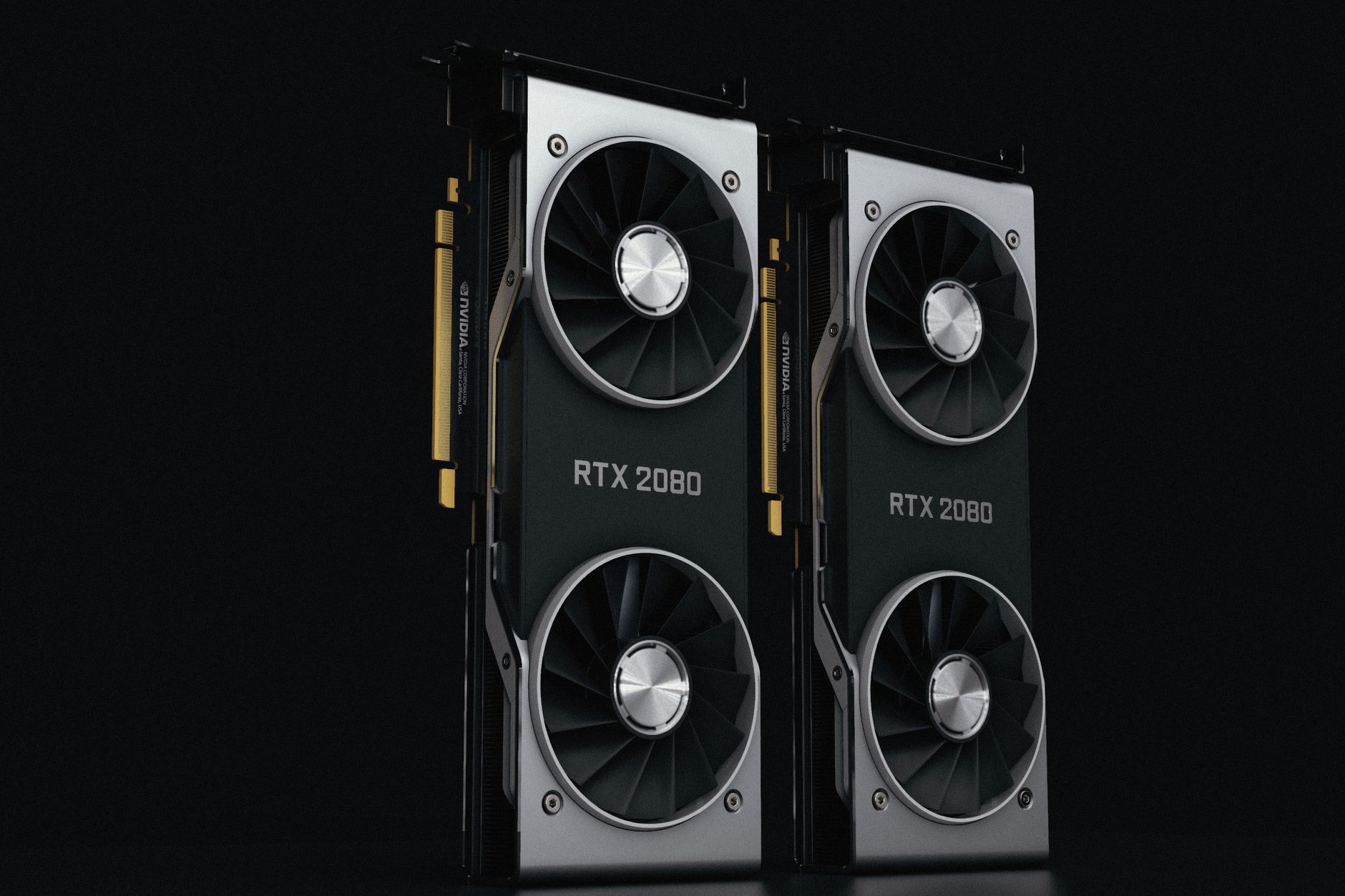
Despite reporting widespread operational downtime, roughly 68% of the surveyed organizations confirmed active plans to deploy new or expanded generative computing architectures within the coming fiscal year. The juxtaposition underscores an escalating corporate race to secure capacity ahead of operational demand, raising fresh questions about capital allocation efficiency.
The Enterprise Compute Paradox
Over the past three years, corporate balance sheets dedicated unprecedented capital expenditures toward acquiring advanced accelerator silicon. Much of that hardware arrived as businesses raced to integrate custom large language models, automated agent frameworks, and proprietary vector indexing systems into core workflows.
However, the operational reality within enterprise IT departments has proven far more fragmented. The survey indicates that while peak training cycles periodically saturate clusters, daytime production workloads rarely sustain high compute utilization. Batch processing, model inference, and internal developer testing collectively fail to keep multi-node clusters running consistently.
“Companies bought massive computing clusters under the assumption that organizational workloads would naturally expand to fill the available capacity,” the report noted. “Instead, many organizations found that their data pipelines, integration hurdles, and compliance reviews created multi-month delays, leaving top-tier silicon pulling idle power in server racks.”
The operational overhead of maintaining underutilized hardware extends beyond initial acquisition costs. Enterprise server racks demand constant cooling, rack footprint fees, and power overhead even when processors run at low duty cycles. For organizations relying on on-premises data centers, idle silicon directly inflates operational budgets without generating measurable revenue.
Supply Constraints and Preemptive Stockpiling
Part of the current over-provisioning stems from lingering anxiety over chip availability. Industry analysts note that procurement teams spent much of 2024 and 2025 navigating lengthy supplier waitlists, leading executives to over-order enterprise hardware to hedge against potential component shortages.
This aggressive procurement strategy mirrors broader structural dynamics across the hardware industry. Earlier investigations into vendor allocation practices, including reports detailing how hardware stockpiling amplified market constraints, documented how fears of artificial scarcity drove enterprise buyers to secure multi-year allocations well before software engineering teams had developed viable production use cases.
Because enterprise contracts often include multi-year delivery timelines, hardware procured during periods of peak supply anxiety is only now reaching final rack installations. In many cases, the teams tasked with deploying the compute have faced organizational pivots, regulatory reviews, or security audits that halted deployment timelines altogether.
Environmental and Infrastructure Fallout
The proliferation of underused enterprise clusters also compounds pressure on local utility grids and corporate sustainability mandates. Modern high-density compute racks require specialized power distribution and liquid cooling loops that must remain active regardless of whether clusters process real-time inference or sit in low-power standby.
The physical footprint required to house modern clusters has increasingly brought tech infrastructure into direct conflict with local municipal resources. Similar tensions over resource allocation have surfaced across European markets, such as documented incidents where rural ecosystems faced disruption following large-scale data center land clearing. When computing sites draw substantial regional power while running at fractional utilization, corporate sustainability officers face increasing pushback from institutional shareholders.
Primary Drivers of Low Utilization
- Data Hygiene Bottlenecks: Engineering teams frequently discover enterprise data repositories require extensive cleaning and governance tagging before training or fine-tuning can proceed.
- Inference Inefficiencies: Production customer traffic remains spiky, meaning hardware sized for peak request bursts sits mostly dormant during off-peak hours.
- Software Tooling Gaps: Enterprise orchestrators still struggle to dynamically partition multi-node clusters across disparate business units without administrative overhead.
- Compliance Halts: Data privacy restrictions and sector-specific audits routinely pause production rollouts after hardware has already been provisioned.
New Deployments Continue Unabated
Despite acknowledging sub-50% utilization metrics, corporate leadership shows little appetite for curbing capital spending. The report highlights that enterprise technology leaders view hardware ownership as strategic insurance rather than a traditional cost center.
A notable factor behind ongoing investment is the fear of falling behind competitors in algorithmic automation. Roughly 74% of respondents cited fear of competitive obsolescence as the primary reason their executive boards approved budget requests for subsequent hardware phases. Many organizations fear that relinquishing hardware allocation slots or reducing colocation leases could leave them stranded if subsequent software breakthroughs suddenly increase computing requirements.
Furthermore, cloud rental arbitrage has complicated corporate math. Companies that initially considered renting excess internal capacity out to external startups have largely abandoned those initiatives due to strict proprietary data boundaries and cybersecurity policies that forbid multi-tenant hosting on corporate clusters.
Scrutiny from Financial Markets
Wall Street analysts have begun adjusting capital return models for non-tech enterprises with outsized IT balance sheets. As interest rates maintain pressure on corporate borrowing, the practice of carrying depreciating accelerator clusters with low duty cycles has attracted activist shareholder scrutiny.
Financial advisory firms increasingly recommend that enterprise buyers transition toward dynamic fractional cloud allocation rather than outright hardware ownership. However, long-term procurement commitments signed during earlier supply crunches mean that millions of dollars in capital expenditure will remain locked in private server racks for several quarters to come.
Whether upcoming software architectures will finally absorb this surplus compute remains the critical test for enterprise technology leadership. Until organizations resolve the operational bottlenecks delaying production rollouts, the corporate server room will remain an expensive monument to preemptive spending.