Images chosen by Narwhal Cronkite
Trump Considers “Winding Down” Iran War Without Opening Hormuz Strait
The latest remarks from former U.S. President Donald Trump about possibly “winding down” Washington’s military campaign in Iran have stirred intense discussions about America’s evolving foreign policy in the Middle East. While the prospect of a scaled-back operation signals a potential pivot, Trump’s decision to maintain the blockade of the strategically critical Hormuz Strait leaves questions about regional and global stability unanswered.
A Mixed Signal on America’s Middle East Strategy
Trump’s comments, first shared via social media platforms on March 20, hint at an imminent shift in the United States’ approach to the multilateral conflict that has dominated headlines for months. “We are getting very close to meeting our objectives as we consider winding down our great Military efforts in the Middle East,” he stated in a succinct post, echoed by Fortune in their coverage. While the term “winding down” suggests de-escalation, recent military deployments to the region counterbalance his rhetoric—creating a nuanced dynamic.
As reported by The Star Online, additional U.S. warships and Marine forces have been deployed to bolster security measures amidst escalating tensions. Coupled with Iran’s threats targeting civilian sites and trade corridors, this has forced analysts to grapple with whether Trump’s remarks signal a genuine off-ramp or simply strategic posturing amid mounting international pressure.
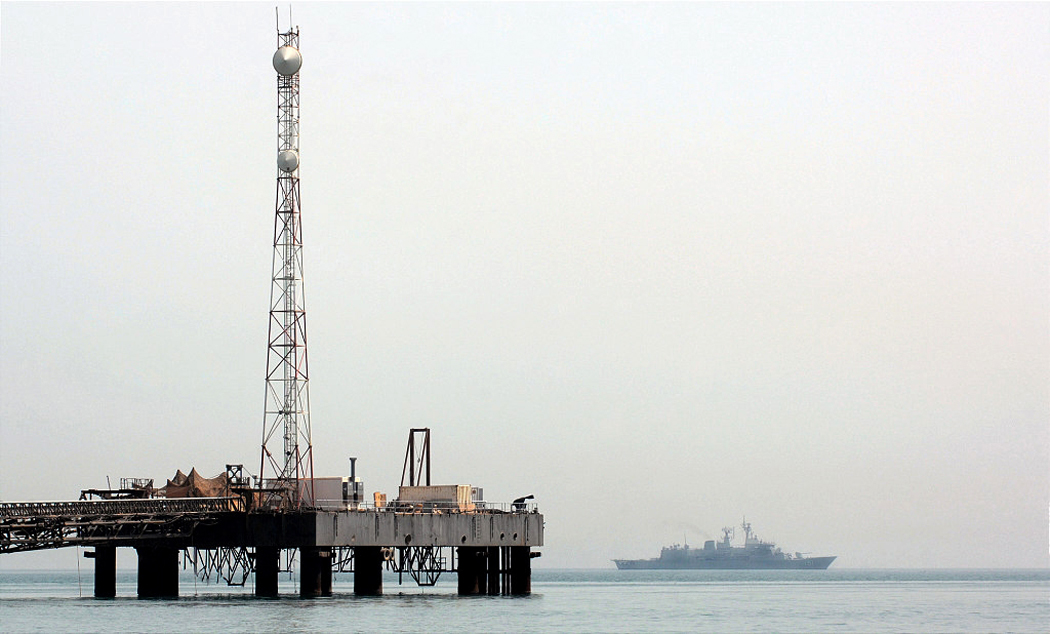
Strait of Hormuz: The Global Oil Lifeline
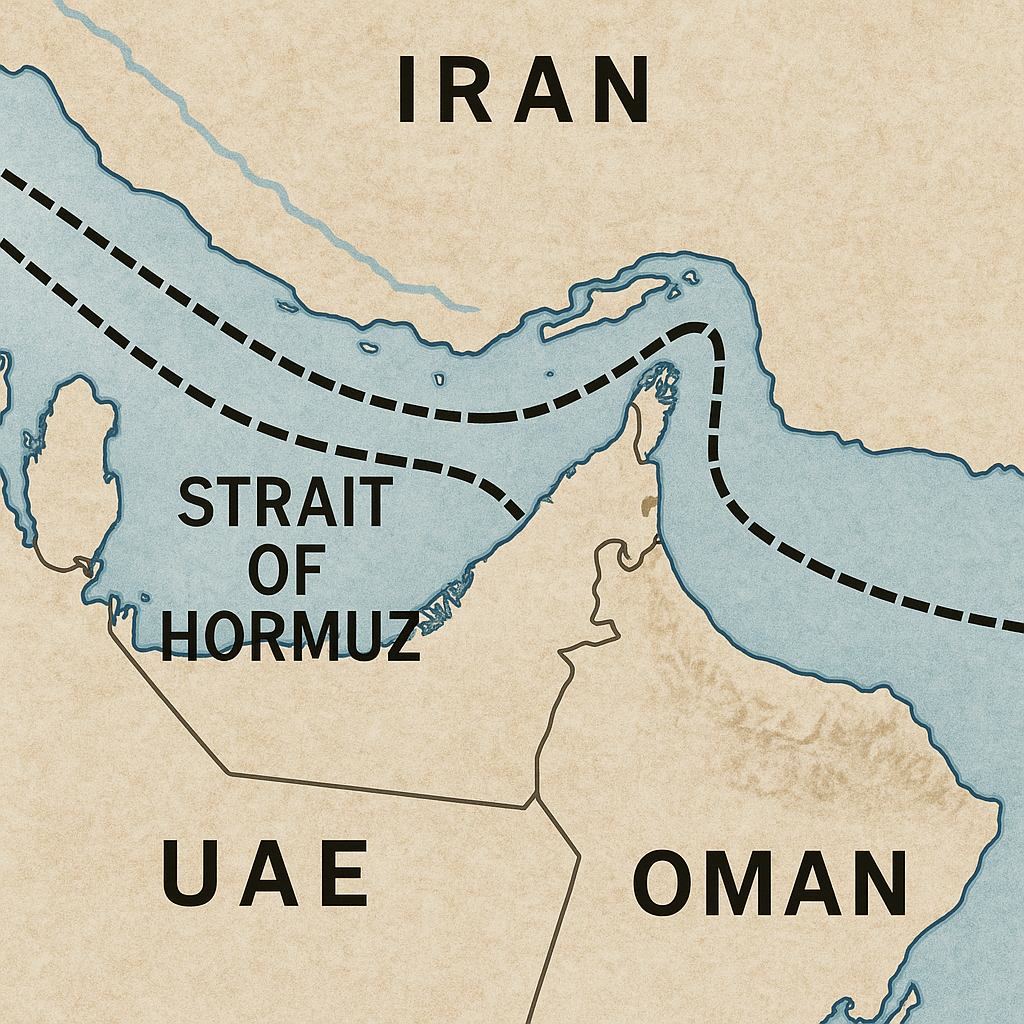
The Strait of Hormuz remains a critical flashpoint in this conflict. Often referred to as the “global oil lifeline,” nearly one-fifth of the world’s crude oil supply flows through this narrow waterway, linking the Persian Gulf with international markets. According to Haaretz, major economic powers—including the United Kingdom, France, Germany, and Bahrain—have pledged to protect shipping operations in the area following Iran’s aggressive missile strikes. However, Trump’s decision not to prioritize reopening the strait has raised eyebrows among international observers.
“We are witnessing a very precarious balance between military assertiveness and sustained economic vulnerability,” said Dr. Nadia Alvarez, a senior geopolitical analyst at the Center for Strategic Studies. “With the Strait of Hormuz constrained, oil prices will remain volatile, and supply chains are under threat—not just regionally but globally.” This decision sets the tone for ripple effects across industries, particularly energy and logistics.
Domestic and International Implications
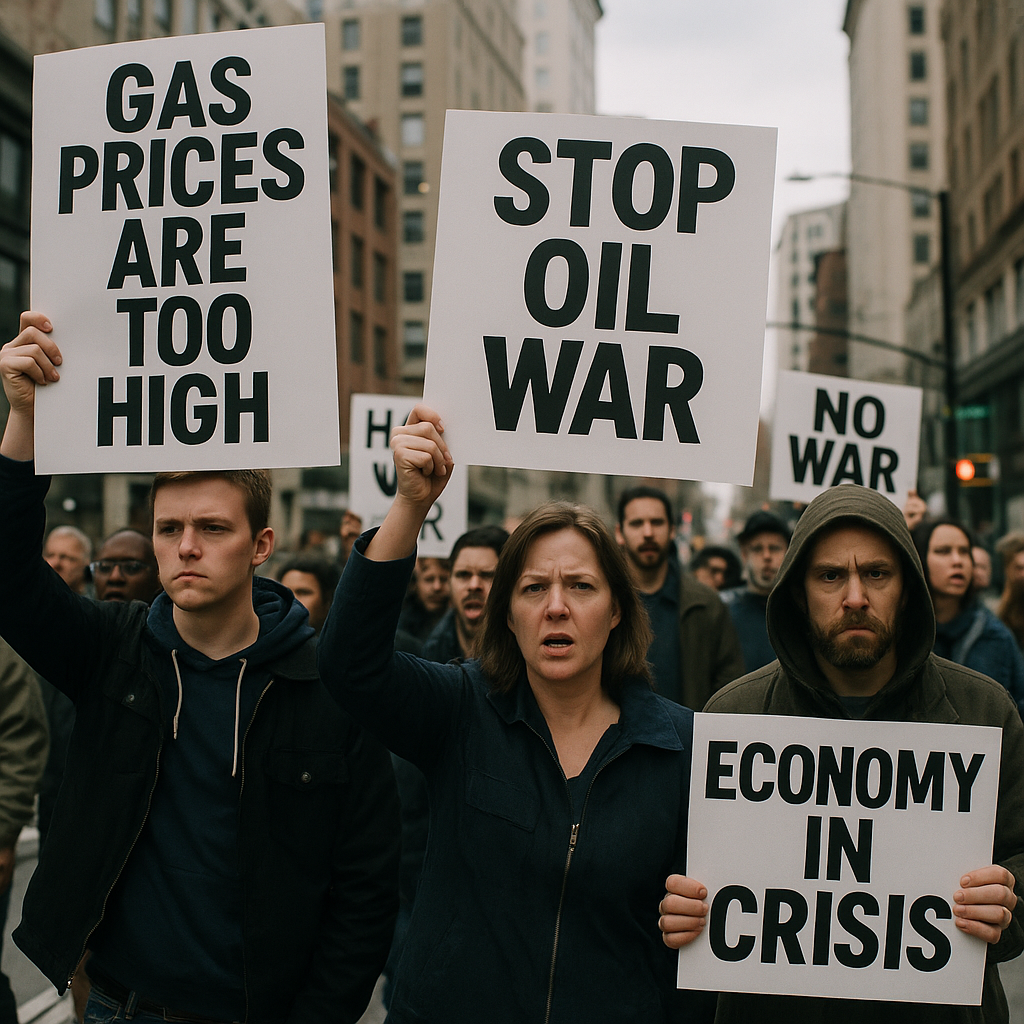
Trump’s stance on this issue carries significant implications beyond foreign policy. Domestically, public and congressional opinion varies on the need for continued U.S. involvement in the Middle East. Detractors argue that prolonged military action risks entrenching America deeper into an unwinnable situation, whereas supporters believe securing the region aligns with long-term strategic interests.
Internationally, allies such as Israel have borne the brunt of the ongoing conflict. Haaretz reported that Iranian missile debris landed near prominent religious sites in Jerusalem, prompting widespread evacuations and heightening domestic fears of escalation. On March 21, the Israel Defense Forces (IDF) issued emergency orders for civilians near the Lebanon border, underscoring just how volatile the situation remains.
“There is deep concern about the sustainability of multinational cooperation in the region,” noted Anthony Lee, a political correspondent for Sky.com. “Countries committed to protecting shipping routes will need to reconcile their support for military countermeasures with growing public opposition to regional conflicts.”
A Calculated Move or Strategic Gamble?
Trump’s deliberate language around “winding down” operations—while escalating military presence—has fueled speculation about whether a definitive withdrawal is in play. According to Sky.com, analysts have described these remarks as offering an “off-ramp” from the contentious Iran war. However, skepticism lingers in light of conflicting actions on both diplomatic and military fronts. The true intent behind this pivot remains open-ended, leaving stakeholders unsure of whether Trump’s administration intends to scale back permanently or leverage the situation for greater political control.
Complicating matters further, Iran has hinted at retaliatory measures targeted at tourism and trade hubs outside of traditional conflict zones, creating an unpredictable environment for any move toward de-escalation. Dr. Alvarez suggests this underscores the delicate balancing act between demonstrating strength and managing long-term consequences.
What to Watch For Next
Looking ahead, several key questions will shape the narrative of this evolving conflict. How will oil prices respond if Hormuz remains partially closed? Can the U.S. genuinely “wind down” the war without destabilizing its allies or the broader region? And perhaps most critically, will Iran make good on its threats to target unorthodox locations in retaliation?
Observers will also closely monitor Trump’s public statements for further clarity, noting that his messaging often signals broader strategic shifts. “The pattern here is fluid,” said Anthony Lee. “If there’s one lesson we’ve learned, it’s that definitive conclusions shouldn’t be drawn prematurely.” In the meantime, continued international collaboration—anchored by the commitment of allied nations to safeguard trade routes—may provide important stabilizing effects.
The next few weeks are likely to be pivotal, not only for policy analysts and governing bodies but also for citizens across the globe whose livelihoods and safety depend on stability in the Gulf region. The world will watch as the narrative unfolds further, balancing on a knife-edge between resolution and escalation.